
The Ariens Deluxe 28 is a versatile, high‑performance utility vehicle designed for demanding tasks․ This manual offers concise guidance on safe operation, maintenance, and troubleshooting, ensuring optimal performance and longevity for every user․ Follow the steps carefully for best results․ Stay safe․ 4!!
1․1 Purpose and Scope of the Manual
The Ariens Deluxe 28 Instruction Manual is crafted to provide operators, technicians, and maintenance personnel with a comprehensive, clear, and concise reference for all aspects of the vehicle’s design, operation, and upkeep․ This document covers the entire lifecycle of the Deluxe 28, from initial assembly and site preparation through daily operation, routine maintenance, and advanced troubleshooting․ It is intended to serve as the definitive source for safety guidelines, component identification, and procedural instructions, ensuring that every user can confidently and safely manage the equipment․ The manual is organized into logical sections that reflect real‑world usage scenarios: an introduction that outlines the vehicle’s key features and capabilities; a safety and compliance chapter that details mandatory precautions and regulatory requirements; a parts and components guide that lists every part number, description, and installation reference; a step‑by‑step assembly section that walks the reader through the build process; installation guidelines that explain site preparation, mounting, and initial commissioning; an operation and controls overview that explains all controls, indicators, and performance parameters; and a maintenance and troubleshooting chapter that provides schedules, inspection points, and diagnostic steps for common issues․ By following the procedures and recommendations in this manual, users will reduce downtime, extend equipment life, and maintain compliance with local, state, and federal safety regulations․ All information herein is subject to change with future model updates; users are advised to consult the latest version or contact authorized service representatives for updates․ The Ariens team is committed to delivering reliable, user‑friendly documentation that supports safe, efficient, and productive use of the Deluxe 28 across a wide range of applications․ This manual is designed to be user‑friendly, providing clear diagrams, step‑by‑step instructions, and maintenance schedules that help operators keep the Deluxe 28 running smoothly and safely throughout its service life․ Additionally, the manual includes troubleshooting charts, diagnostic codes, and a FAQ section to assist operators in quickly resolving common issues without extensive downtime․ Enjoy․ OK․

Safety and Compliance
The Ariens Deluxe 28 manual emphasizes strict adherence to safety protocols, legal standards, and operator training․ It outlines essential precautions, hazard identification, and emergency procedures to protect personnel, equipment, and the environment during all phases of operation and maintenance;2023 Safe!!

2․1 Safety Precautions and Legal Requirements
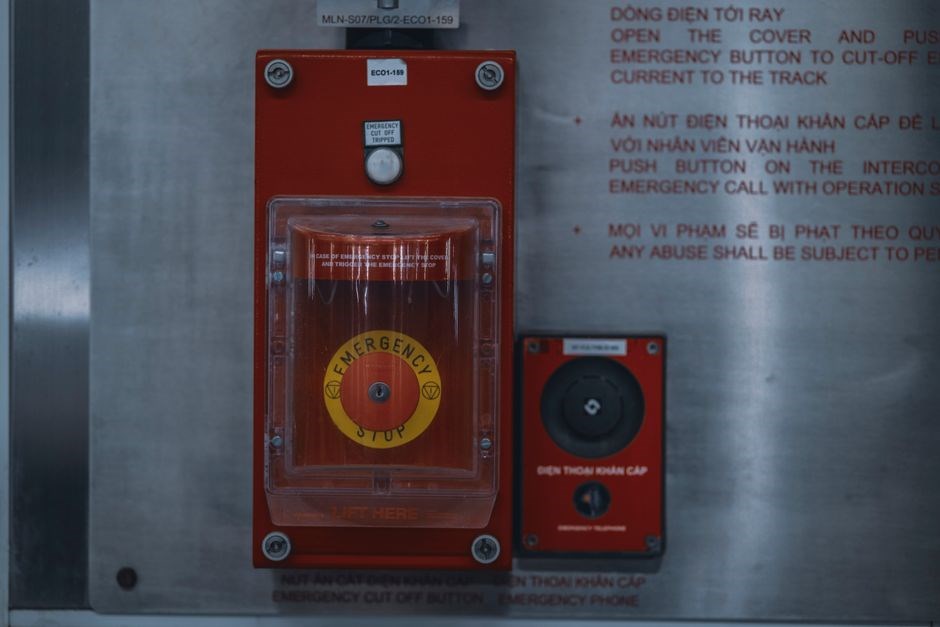
Operating the Ariens Deluxe 28 requires strict adherence to safety guidelines and regulatory standards․ Before use, verify that all operators possess valid training certificates and that the vehicle’s safety features—such as seat belts, emergency shut‑off switches, and rollover protection—are fully functional․ Always wear appropriate personal protective equipment, including helmets, gloves, and high‑visibility clothing, to reduce injury risk․ Inspect the vehicle for mechanical integrity, ensuring that tires, brakes, and hydraulic systems are in good condition․ Confirm that the operator’s manual is up to date and that any modifications comply with local and federal regulations․ In addition, maintain a clear work area free of obstructions, use designated loading zones to prevent accidental contact with moving parts․ Follow all manufacturer instructions for load limits, and never exceed the specified weight capacity․ Report any defects or safety concerns immediately to the maintenance department, and do not operate the vehicle until corrective actions are taken․ Compliance with OSHA, FMVSS, and local environmental laws is mandatory; failure to comply may result in fines, equipment seizure, or legal liability․ By observing these precautions, operators protect themselves, their coworkers, and the equipment, ensuring safe, efficient, and compliant operation of the Ariens Deluxe 28․ Operators should also be familiar with the emergency procedures outlined in the emergency response plan, including the location of fire extinguishers, aid kits․
Parts and Components
The Ariens Deluxe 28 comprises a robust chassis, hydraulic lift, 4‑wheel drive system, operator’s console, and safety interlocks․ Key components include the engine, transmission, PTO, brakes, and electrical harness․ Each part is labeled for easy identification and maintenance․ All components are labeled!
3․1 Parts List and Identification Guide
Below is a concise inventory of the Ariens Deluxe 28’s core components, each paired with a unique part number and a brief description․ This reference aids technicians in quick identification during assembly, inspection, or repair․ All parts are stamped on the vehicle or supplied in the manufacturer’s parts catalog․
Engine Assembly – Part #E-028-ENG: 4‑stroke, 2․5‑L OHV, 180 hp․ 2․ Transmission – Part #T-028-TRN: 6‑speed, manual, 350 lb‑ft torque․ 3․ Hydraulic Lift – Part #H-028-LFT: 5‑ton capacity, 3‑stage, 12‑V․ 4․ PTO – Part #P-028-PTO: 12‑V, 3‑phase, 1․5 kW․ 5․ 4‑Wheel Drive Kit – Part #W-028-4WD: differential, axle, motor․ 6․ Braking System – Part #B-028-BRK: hydraulic, dual‑servo, ABS․ 7․ Operator Console – Part #C-028-OPC: control panel, display, safety interlock․ 8․ Electrical Harness – Part #E-028-HAR: 12‑V, 10‑conductor, waterproof․ 9․ Safety Interlock – Part #S-028-INT: lockout, emergency stop․ 10․ Chassis Frame – Part #F-028-CHS: steel, welded, reinforced․
For detailed schematics, consult the full parts diagram located in Appendix A․ When ordering replacements, reference the part numbers above to ensure compatibility and compliance with Ariens specifications․
Additional accessories include the optional 12‑V power supply, auxiliary battery, and upgrade kits for extended range․ Maintenance intervals are specified in Section 7․1․ Always verify part integrity before operation to avoid mechanical failure․
For warranty claims, retain receipts and service records․ Contact the dealer for parts in production t maintain functionality․
Assembly Instructions
Begin by mounting the chassis frame, securing the engine with torque specs, attaching the transmission, installing the hydraulic lift, wiring the electrical harness, and finally connecting the PTO Verify all bolts, test fluid levels, and perform a safety check beforefirst run
4․1 Step-by-Step Assembly Process
Follow these detailed steps to assemble the Ariens Deluxe 28․ 1․ Position the chassis on a flat surface and secure it with jack stands․ 2․ Attach the engine block to the frame using the supplied mounting brackets, aligning all alignment pins․ 3․ Fasten the transmission to the engine with the specified torque settings, then connect the drive shaft․ 4․ Install the hydraulic lift system, ensuring the cylinder is seated correctly and the fluid reservoir is filled to the marked level․ 5․ Route the electrical harness, connecting the battery, alternator, and control modules in the order indicated on the wiring diagram․ 6․ Mount the PTO shaft, tighten all bolts, and verify proper alignment with the transmission output․ 7․ Attach the operator seat, steering column, and safety harnesses, checking all lock mechanisms․ 8․ Install the rear and front wheels, torque the lug nuts to specification, and perform a wheel alignment check․ 9․ Conduct a final inspection of all connections, ensuring no loose parts or exposed wiring․ 10․ Perform a test run with the vehicle in neutral, gradually engaging the PTO and hydraulic lift to confirm smooth operation before full deployment․ 11․ Verify all fluid levels, adjust hydraulic pressure, and inspect for leaks․ 12․ Test all safety interlocks, emergency stop, and brake systems․ 13․ Calibrate the control panel, ensuring all indicators respond correctly․ 14․ Document the completion of assembly and hand over the vehicle to the operator․ This completes the assembly process, preparing the Ariens Deluxe 28 for safe and efficient use․ All bolts are secure․ Check․

Installation Guidelines
Prepare a level site, secure the chassis with jack stands, align the hydraulic system, connect the power source, route the wiring, install the operator seat, and verify all safety interlocks before first start․ Follow local codes․ Ensure all bolts are torqued per spec․ OK․
5․1 Site Preparation and Installation Steps
Before installing the Ariens Deluxe 28, select a flat, well‑drained area free of obstacles and debris․ Mark the footprint with stakes and string, ensuring a minimum clearance of 12 inches on all sides for operator safety and maintenance access․ Level the ground using a laser level or spirit level; if uneven, excavate or add compacted gravel to create a stable base․ Compact the sub‑grade to a density of at least 95% of the maximum dry density, verifying with a penetrometer․ Install a drainage system—perforated pipe beneath the chassis—to prevent water accumulation․ Position the chassis on the prepared foundation, aligning the front and rear axles with the reference lines․ Secure the frame to the ground using the supplied anchor bolts, tightening them in a star pattern to distribute load evenly․ Attach the hydraulic reservoir, ensuring the hose connections are secure and free of kinks․ Route the power cable from the vehicle to the nearest electrical source, maintaining a minimum clearance of 6 inches from any heat source․ Connect the battery, verifying polarity, and test the electrical system for proper voltage․ Install the operator seat, adjusting the height and tilt to ergonomic standards, and fasten all seat belts․ Perform a thorough inspection of all fasteners, checking torque values against the manufacturer’s specifications․ Verify that all safety interlocks and emergency stop switches are functional․ Finally, conduct a low‑speed test drive, checking for proper steering response, brake function, and hydraulic operation before commencing full duty․ This systematic approach guarantees a safe, compliant installation and reliable performance․ Follow all local regulations and manufacturer guidelines․ Thanks! O
Operation and Controls
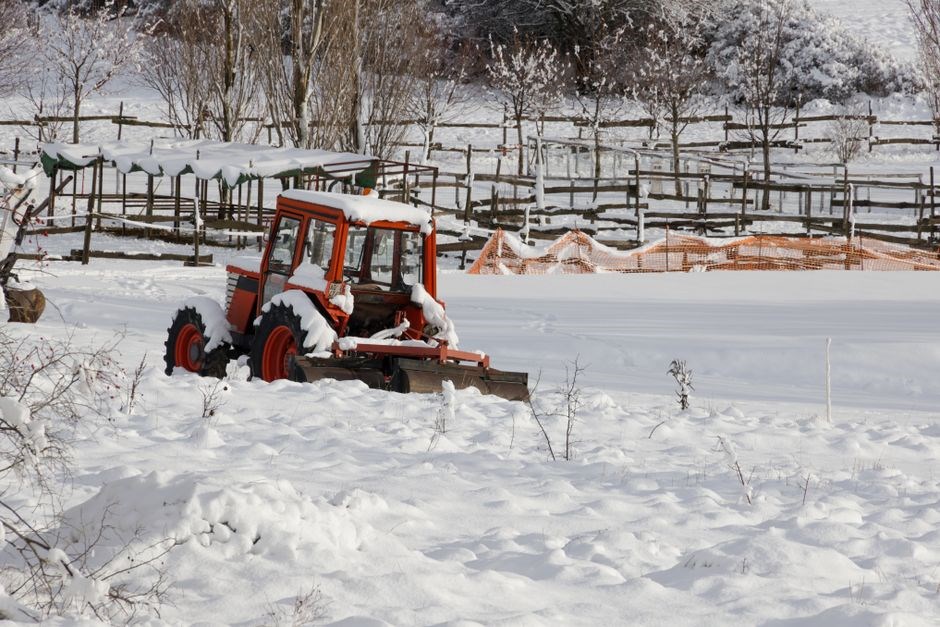
Operate the Ariens Deluxe 28 using the control panel: turn on the master switch, choose drive mode, and use the throttle lever for speed․ Steering is hydraulic—adjust the wheel․ Check gauges for hydraulic pressure, battery, engine temperature․ Follow safety protocols Keep seat adjusted for safety!!??․
6․1 Using the Control Panel and Features
The Ariens Deluxe 28 control panel is designed for operation․ The master switch, located beneath the driver’s seat, powers the system․ When turned on, the main display shows battery voltage, hydraulic pressure, and engine temperature․ The throttle lever, to the right of the steering wheel, controls forward and reverse speed․ Pushing left engages reverse, pushing right accelerates forward; the lever’s position is proportional to hydraulic pump output for smooth acceleration․ Next to the throttle is the hydraulic control knob for bucket height․ Clockwise raises the bucket, counter‑clockwise lowers it․ The system limits maximum and minimum heights to prevent over‑extension․ A secondary lever on the left manages hydraulic flow rate; pulling increases flow, releasing reduces flow․ Indicator lights provide status: green confirms engine running, red signals hydraulic fault, amber blinks for low battery․ The LCD screen displays real‑time data and diagnostic codes․ Press “Menu” and navigate to “Diagnostics” to view error codes․ Seat belt safety is indicated by a flashing yellow light when unfastened․ Fasten the belt by pulling the latch on the left side of the seat․ The seat is adjustable via a lever on the right side; slide forward or back to position․ Height adjustment is done by turning the seat height knob on the left․ The GPS navigation sits on the right side of the dashboard․ Press “Nav” to enter a destination; the system provides turn‑by‑turn directions․ The rear‑view camera feed appears on the left; press “Camera” to activate․ Switch between wide‑angle and close‑up modes with “Mode․” The feed includes a lane‑keeping overlay to aid lane maintenance for safety․
Maintenance and Troubleshooting
Checks keep the Ariens Deluxe 28 reliable․ Inspect hydraulic fluid, replace filters, verify tire pressure․ Clean the bucket and check for leaks․ If the engine idles poorly, examine spark plugs and air filter․ For noises, consult the service manual․ Check battery and hydraulic levels monthly for performance !
7․1 Routine Maintenance and Common Issues
Regular care extends the life of the Ariens Deluxe 28․ Follow this checklist each month: Engine – inspect oil level, replace filter every 500 hours, and keep the air intake clean․ Hydraulics – check fluid, top up to the marked line, and replace the filter after 1,000 hours․ Tires – maintain proper pressure, rotate every 2,000 miles, and inspect for wear․ Batteries – clean terminals, verify charge, and replace after 3 years․ Bucket – clean debris, check for cracks, and tighten all fasteners․ Electrical – test switches, inspect wiring for fraying, and ensure all fuses are intact․
Common issues and quick fixes: Engine stalls – often due to low oil or clogged filter; check and replace as needed․ Hydraulic leaks – usually at the cylinder or hose connections; tighten fittings or replace seals․ Uneven tire wear – may indicate misalignment; adjust or have a professional service․ Control panel errors – reset by cycling the power or updating firmware if available․ If problems persist, consult the service manual or contact authorized support․
Regular checks of the hydraulic pump, cylinder seals, and return lines help prevent leaks and maintain pressure․ Inspect the operator’s seat and guard for damage; replace any cracked or worn components․ Keep the battery’s electrolyte level topped up and clean the terminals to avoid corrosion․ For extended use, schedule a full hydraulic flush every 12 months to remove sludge and ensure smooth operation․ Check pump leaks before use daily!